
Masters Degree Italy
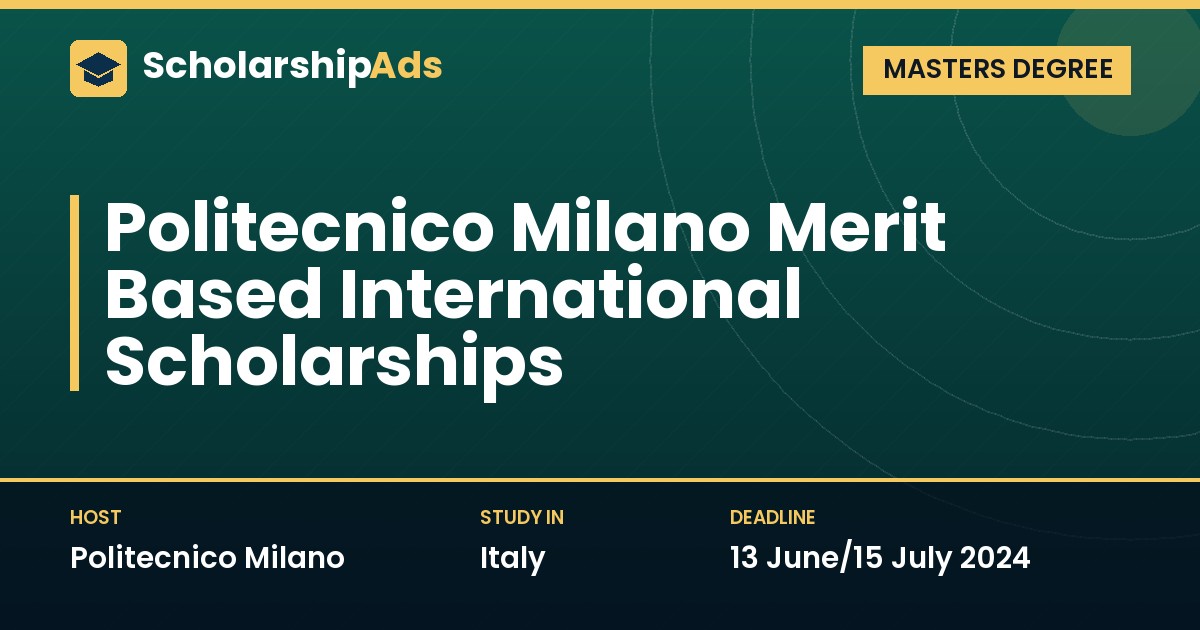
Politecnico Milano Merit Based International Scholarships for Master's Study
Politecnico Milano
13 June/15 July 2024Details
Italy's 14 listed scholarships are dominated by Master's funding from universities: 14 awards are at Master's level, 3 at Bachelor's and 2 at PhD, spread across 12 hosts. The University of Padua and the Italian Government each appear twice. None of the listed deadlines is still ahead, so every date below needs rechecking with the host before you plan an application.
Politecnico Milano
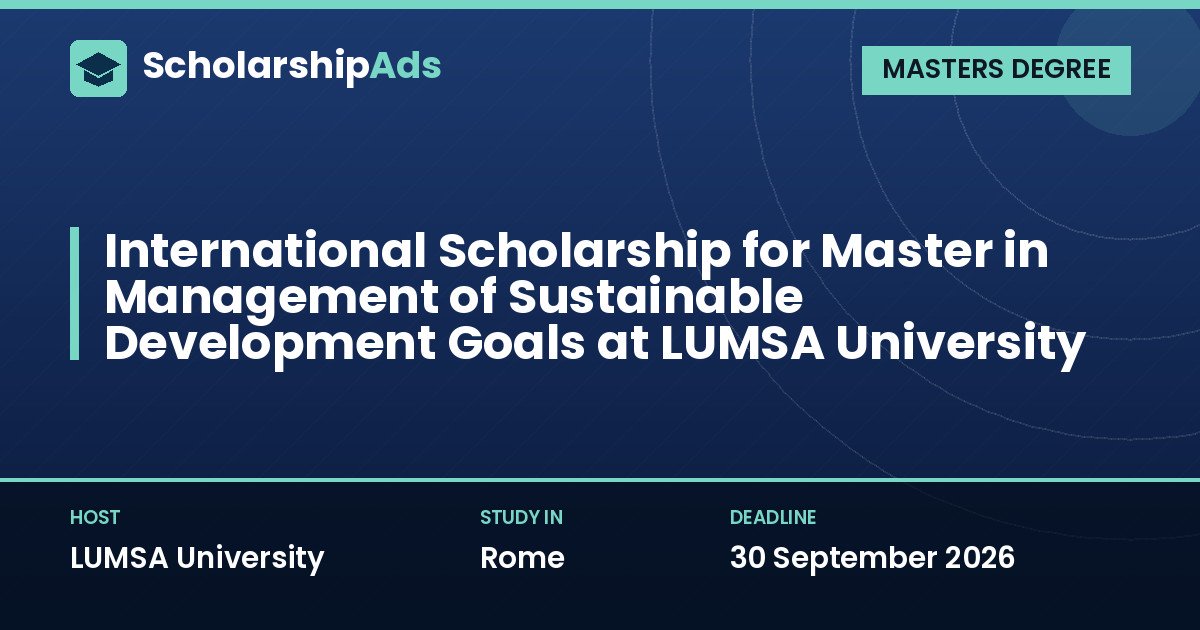
LUMSA University
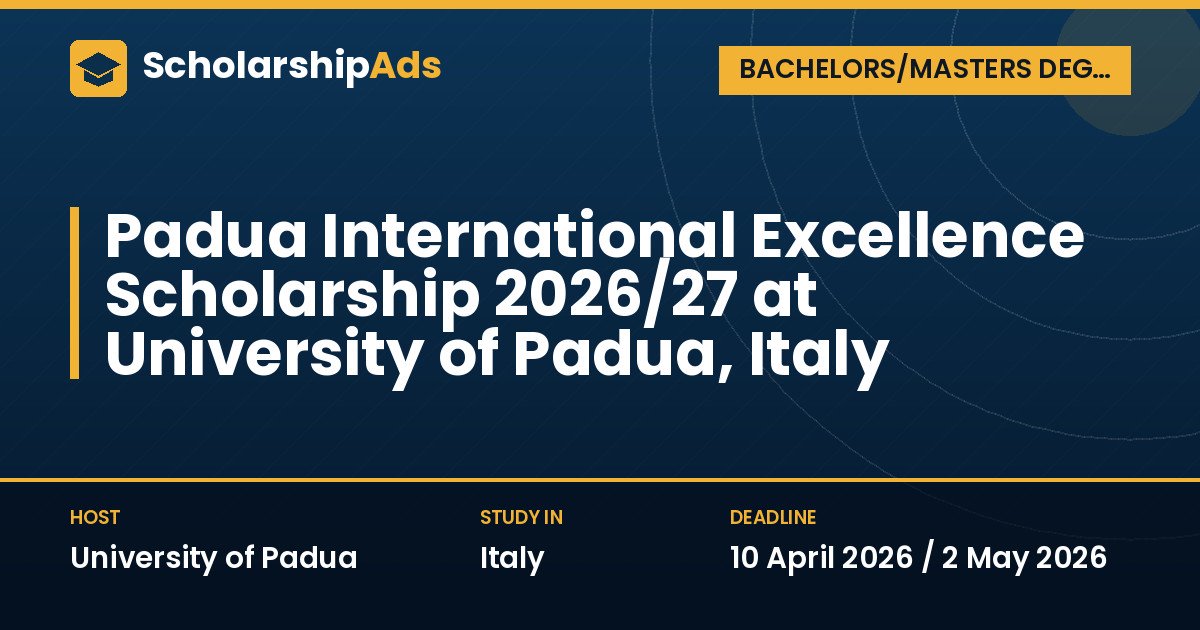
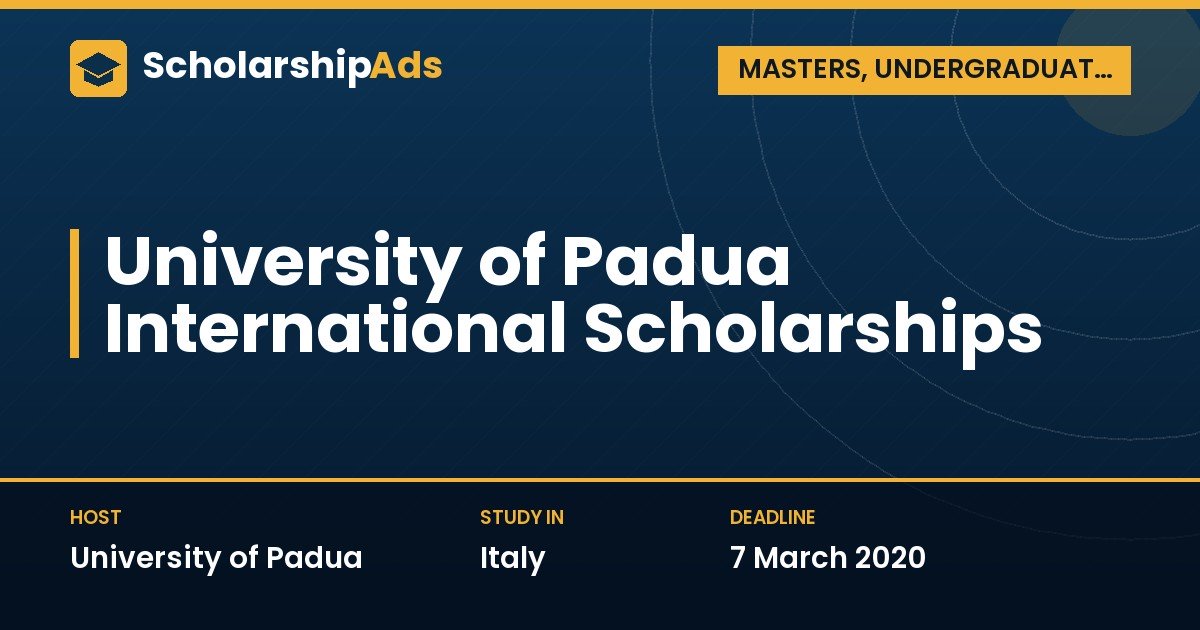
University of Padua
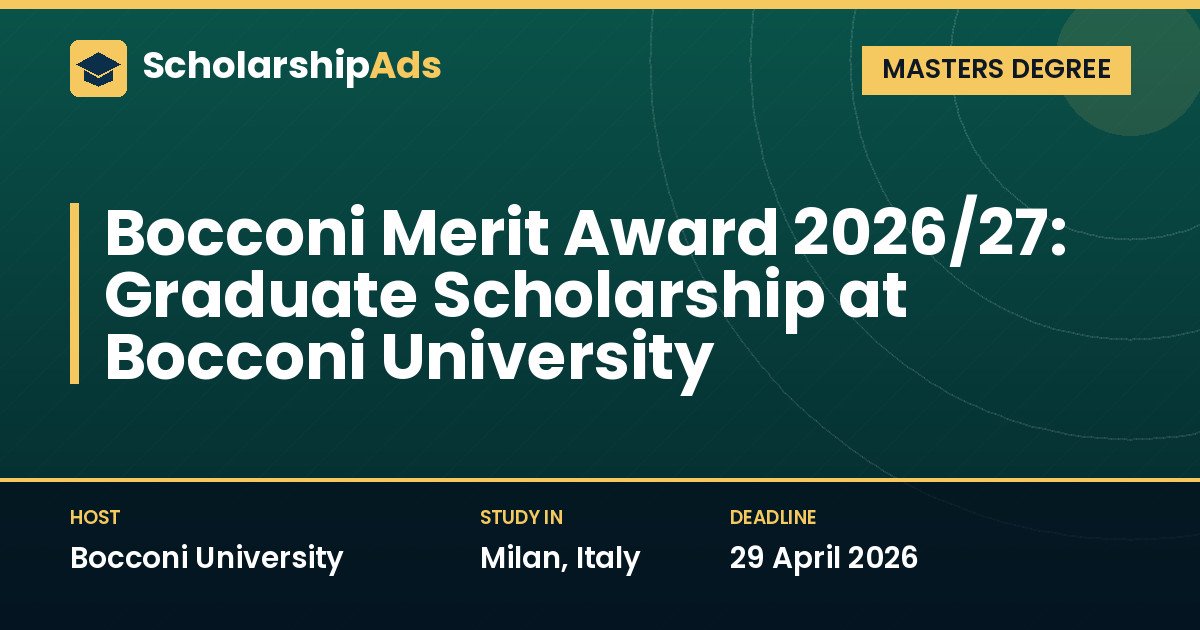
Bocconi University
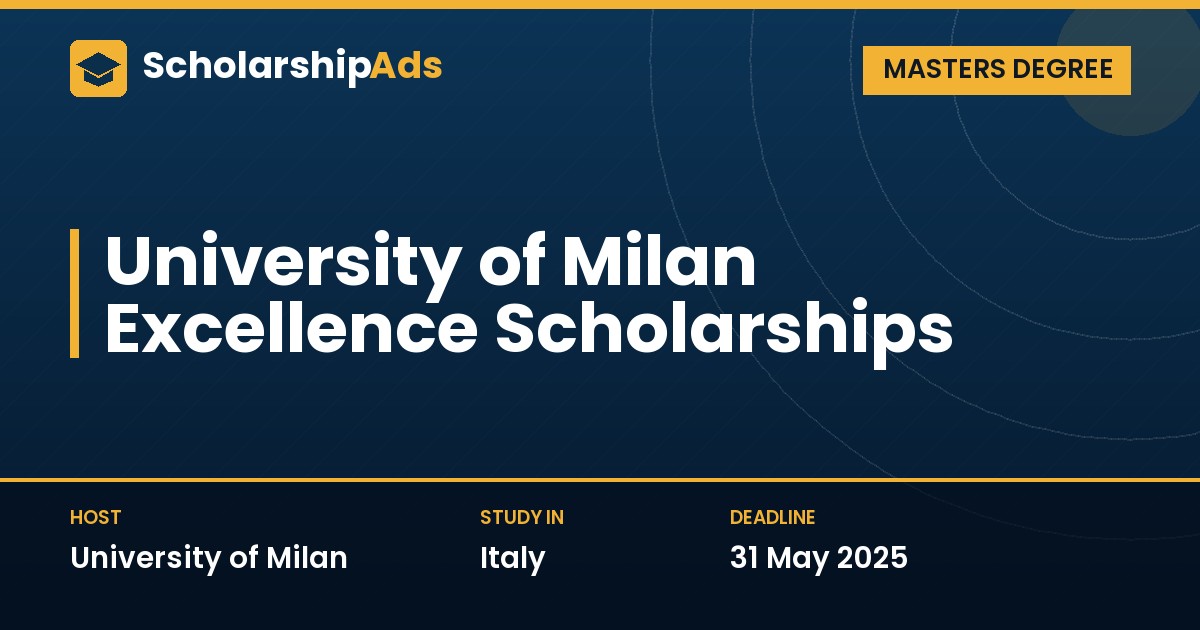
University of Milan
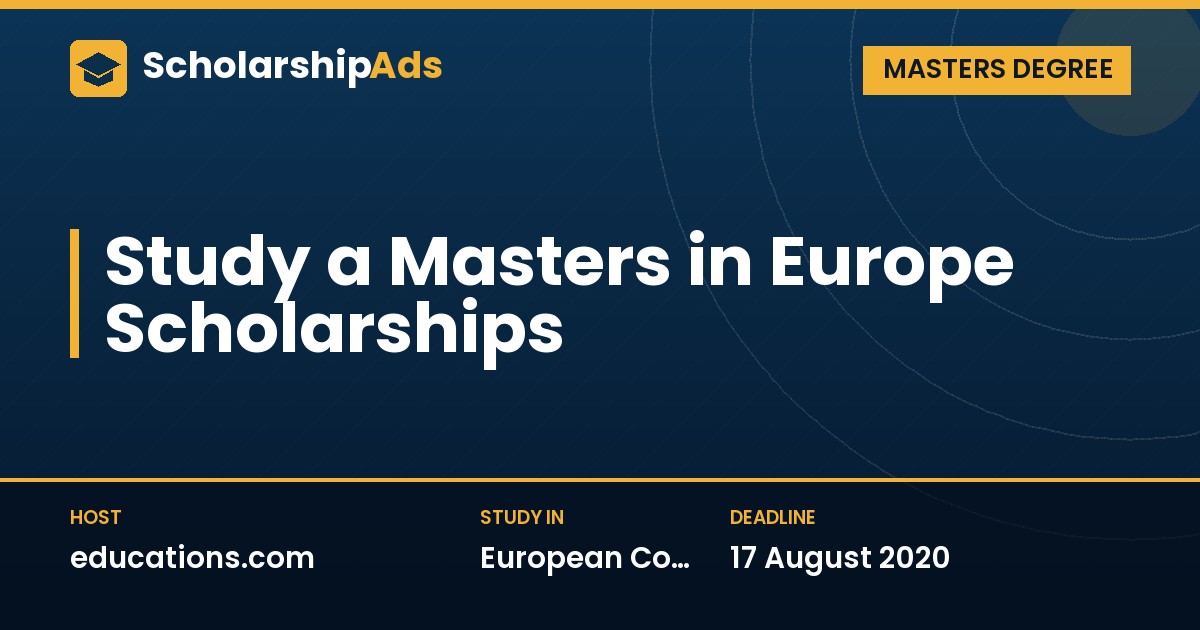
educations.com
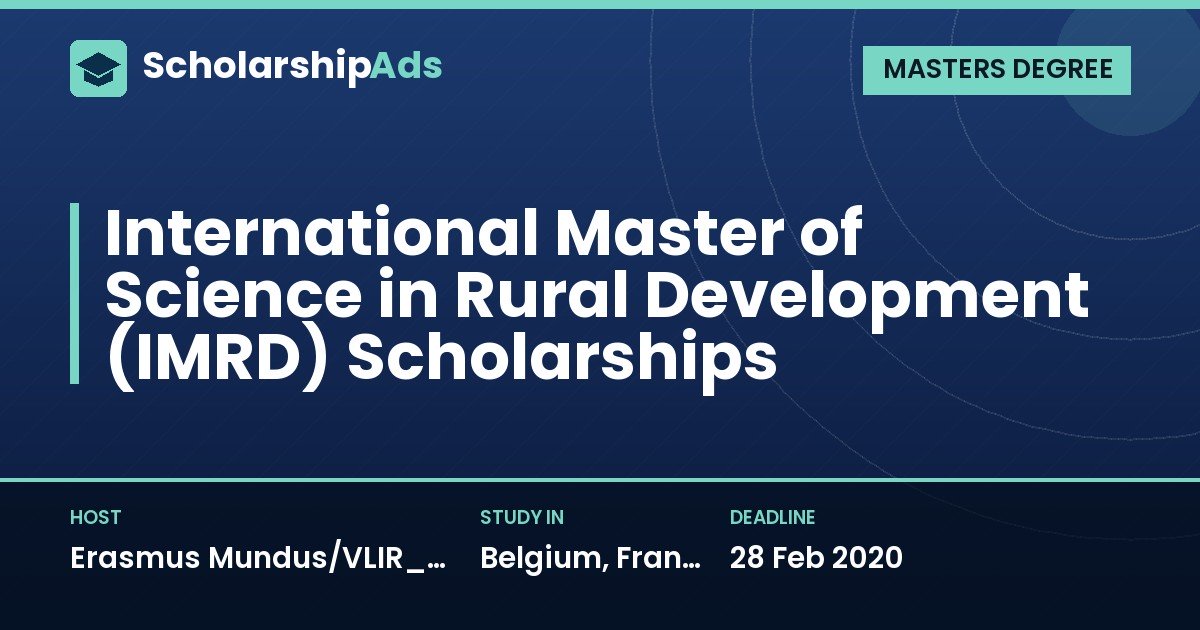
Erasmus Mundus/VLIR_UOS
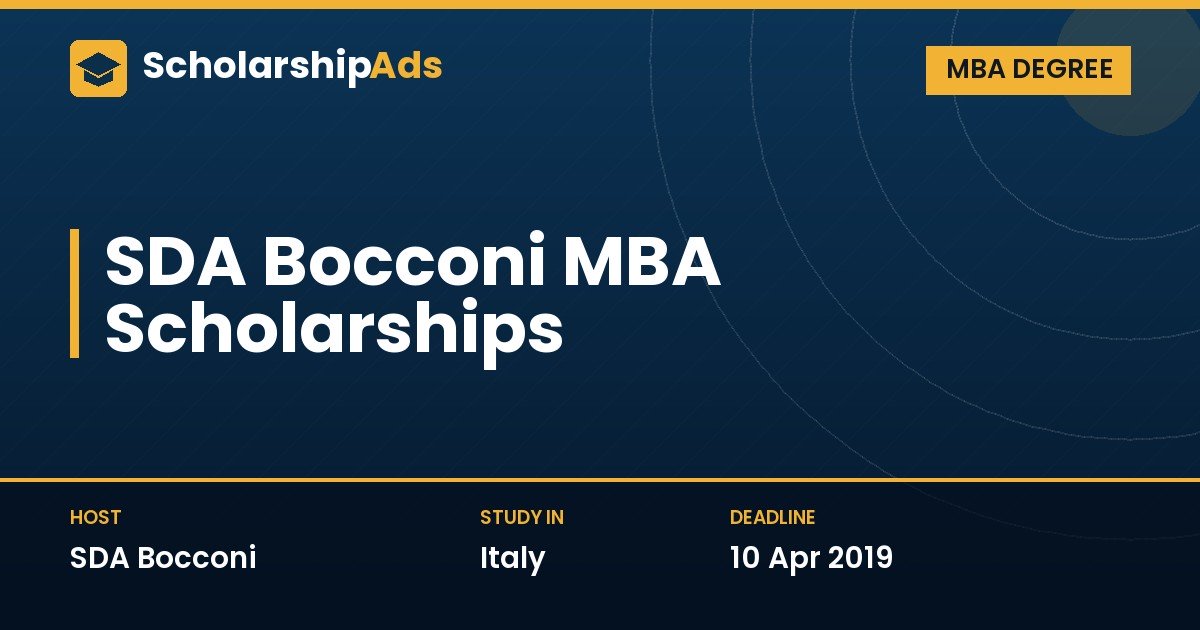
SDA Bocconi
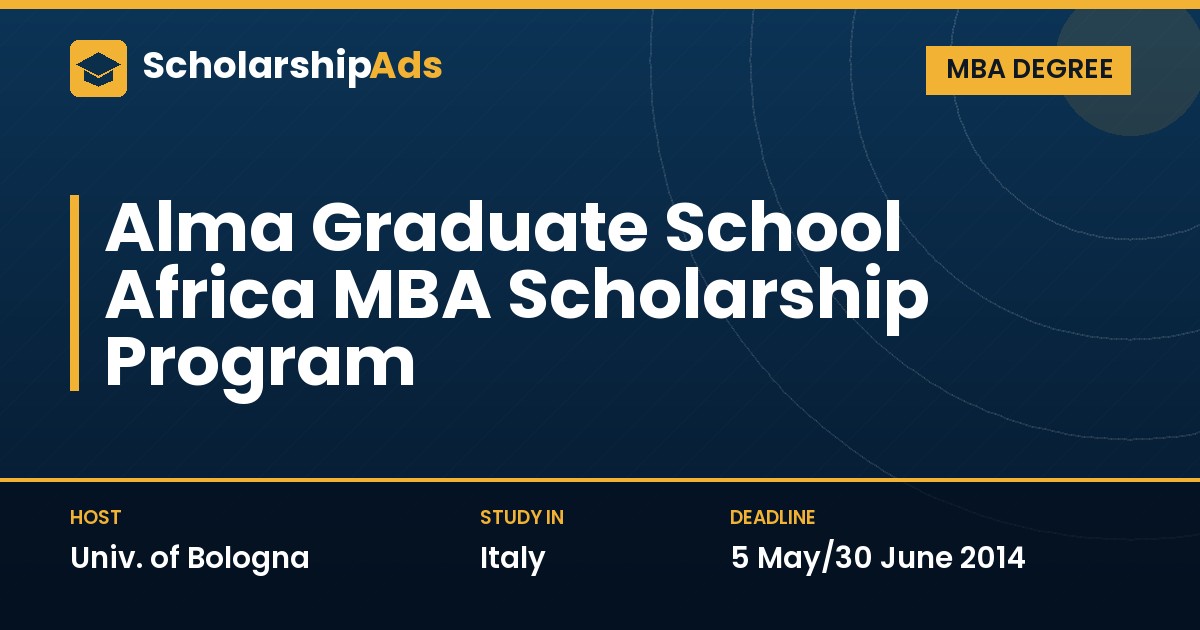
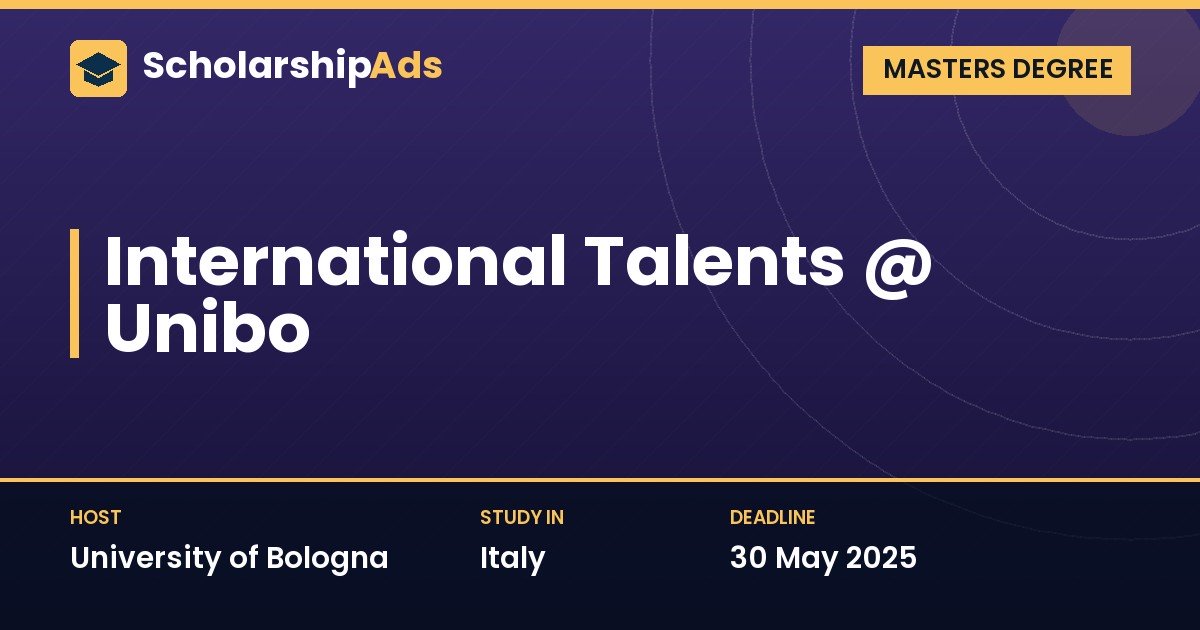
Univ. of Bologna
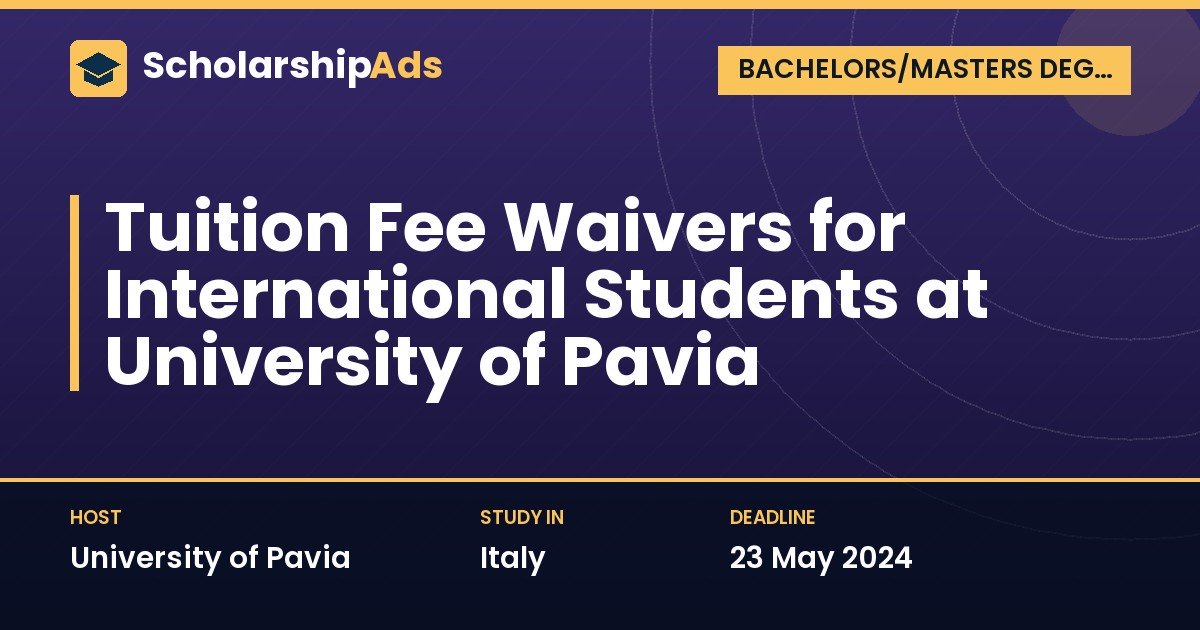
University of Pavia
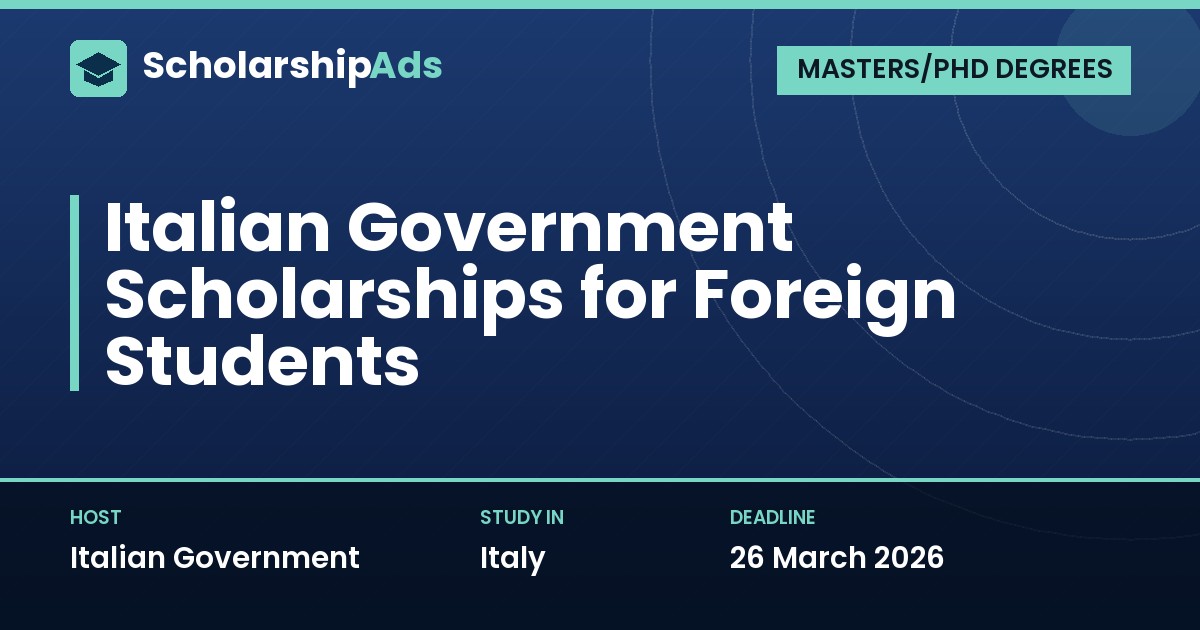
Italian Government
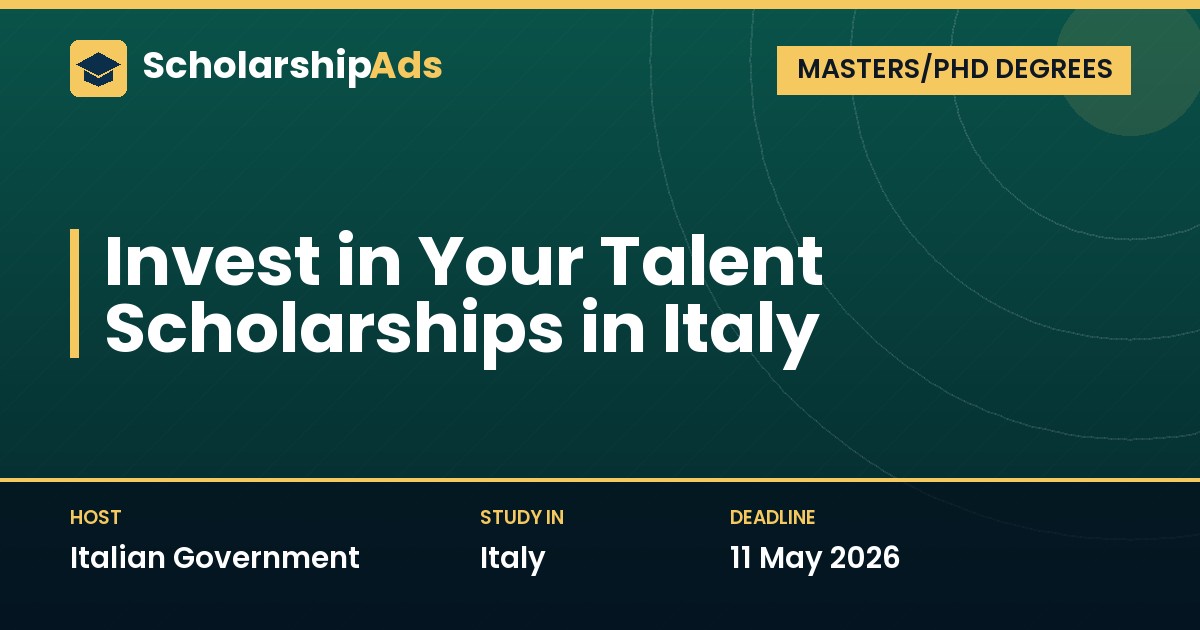
Italian Government
University of Padua
Most awards come from individual universities. Politecnico Milano combines a tuition exemption with a grant of 2,500€–10,000€ gross or accommodation. Padua's International Excellence Scholarship pays an €8,000 gross subsistence allowance plus a fee waiver for up to 2 years (Master's) or 3 years (Bachelor's). University of Milan offers 60 awards of €8,000 each and 100 total fee exemptions. Pavia waives tuition for the first year only, leaving a 156 euro enrollment tax.
Bocconi's Merit Award is a full tuition and fees waiver, renewed for the legal duration of the course. SDA Bocconi MBA waivers cover 50-100% of tuition, with pools split by region and by women applicants. Bologna's Africa MBA Scholarship covers 100% of tuition (EUR 27,000) plus up to EUR 10,000 for travel and living costs, open to citizens of African countries. The Italian Government programme adds tuition exemptions depending on each university's policy and MAECI-contracted health and medical insurance.
Several awards require you to be admitted or apply for admission first: LUMSA's sustainable development scholarships are only for students admitted to that Master, and Milan asks for a Master's application by 31 May 2025. Padua and Pavia both require non-Italian citizenship and residence outside Italy. The Italian Government scheme is limited to foreign citizens from a listed set of countries and to Italians living abroad in those countries. Erasmus Mundus IMRD adds nationality and residency limits for Partner Country applicants.
All 14 listed deadlines have passed or need rechecking, so treat every date as historical. The most recent listed dates are LUMSA at 30 September 2026, Bocconi at 29 April 2026, Padua at 10 April 2026 and 2 May 2026, and the Italian Government at 26 March 2026. Older dates include Milan (31 May 2025), Pavia (23 May 2024) and Politecnico Milano (13 June/15 July 2024). Confirm the new cycle directly with each host before relying on any of these.
Padua pays an €8,000 gross subsistence allowance plus a fee waiver. Bologna's Africa MBA Scholarship adds up to EUR 10,000 for travel and living expenses. Politecnico Milano offers a 2,500€–10,000€ gross grant or accommodation.
Some do. LUMSA's scholarships are only for students admitted to its Master in Management of Sustainable Development Goals, and Milan requires a Master's application by 31 May 2025.
The Italian Government scheme is limited to foreign citizens from a listed set of countries and Italians living abroad. Bologna's Africa MBA Scholarship is for citizens of African countries, and Erasmus Mundus IMRD sets nationality and residency conditions.
Bocconi waives 100% of ordinary tuition and fees. SDA Bocconi MBA waivers cover 50-100% of tuition. Pavia waives tuition for the first year only, leaving a 156 euro enrollment tax.
Check each host's page for the current cycle before applying, since no listed deadline is still ahead.